
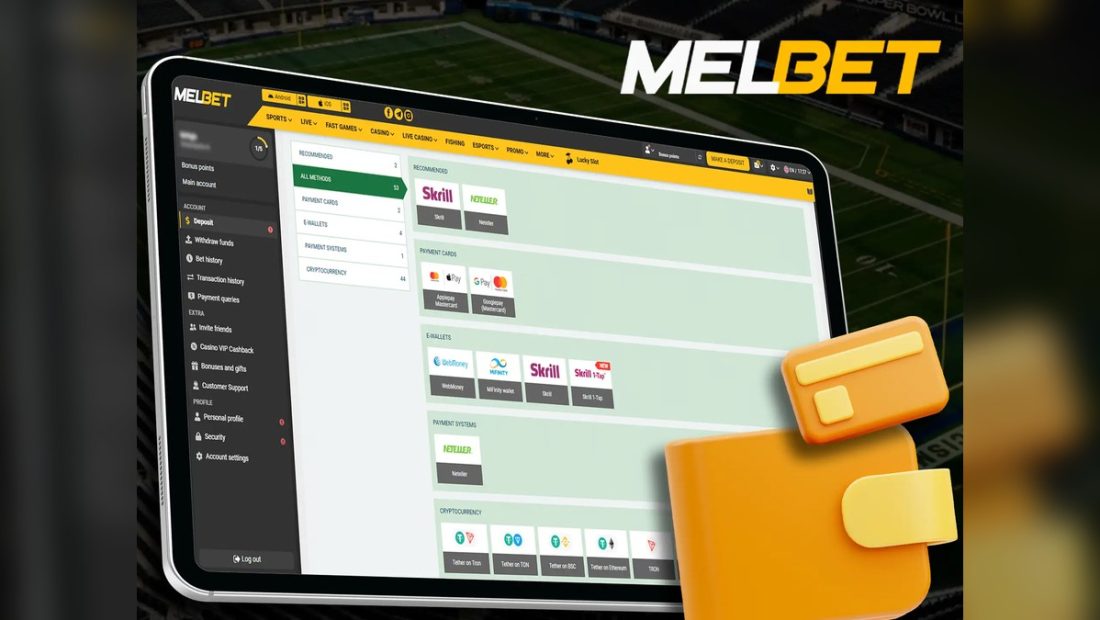
Payment pages need careful reading because availability can vary by platform access, account status, payment provider and current rules. Indian users may see wording around UPI, bank transfer, net banking, wallets or cards, but this guide does not claim exact support for every method.
UPI wording
UPI is a common Indian payment term, but availability may vary. Never share UPI PIN with anyone. Check the current page, amount, account details and provider status before taking action. If a page asks you to reveal UPI PIN outside a trusted payment step, stop.
Bank transfer and net banking
Bank-based routes require accurate details and a secure connection. Match names, references and account information carefully. Do not use public Wi-Fi for banking activity. If net banking fails, check network and provider status rather than repeating the transaction in a hurry.
Mobile wallets
Wallet availability and limits can vary by provider and current rules. Check the wallet account, available balance, transaction reference and any provider message. Do not send screenshots or proof to unknown support links. Keep records for your own tracking.
Cards
Card routes require extra privacy. Never share card PIN, OTP or full card details with unknown pages or chats. Check that the page is secure and that the amount is correct before authorising anything. Stop if the page asks for details that do not fit the payment step.
Failure checklist
If a payment fails, check network, method availability, account details, provider status, limits and transaction ID. Do not repeat multiple attempts quickly. Keep records, then wait for current status to become clear. Payment outcomes and timing should not be assumed from a general guide.
Responsible payment behaviour
Payments should stay within a fixed budget. Do not add money to chase losses or continue while upset. This guide is for adults aged 18+ who follow local law and treat gaming as entertainment only.
Keep records without oversharing
Transaction records are useful for your own tracking. Save the date, amount, method, reference ID and any provider message. However, a record is not something to send to random support links or social chats. If you need to ask a general question, remove sensitive details and never include OTP, UPI PIN, card PIN, full banking credentials or full card information. Good records should protect you, not expose you.
Why matching details matters
Payment problems often begin with small mismatches. Check account names, numbers, wallet IDs and method labels before taking action. If an account verification step is required, read it carefully and do not guess. Using another person payment method can create confusion and may break platform rules. If a method is not available, do not force the transaction through an unknown route.
Budget and transaction limits
Payment limits should support your gaming budget. Do not raise a limit because of a loss, bonus prompt or live event. If a transaction fails, that is not a reason to try larger amounts or a less familiar method. Stop, check the failure checklist and return only when the situation is clear. Responsible payment behaviour is part of responsible gaming.
When not to continue with payment
Do not continue with payment if you are trying to recover losses, if the method shown is unfamiliar, if the amount is higher than your planned budget, or if the page asks for secret credentials outside a normal payment step. Also stop when provider status is unclear after a failed transaction. Payment safety is not only about fraud; it is also about refusing transactions that break your own limits or happen while you are emotional.
After a payment attempt
After any payment attempt, wait for the page and provider status to settle. Save the reference, check whether the transaction is shown correctly and avoid repeating the same action out of impatience. If you feel frustrated, take a break before making another decision. Payment aftercare is part of safety because many mistakes happen after a failed or delayed transaction, when users are trying to fix the situation too quickly.