
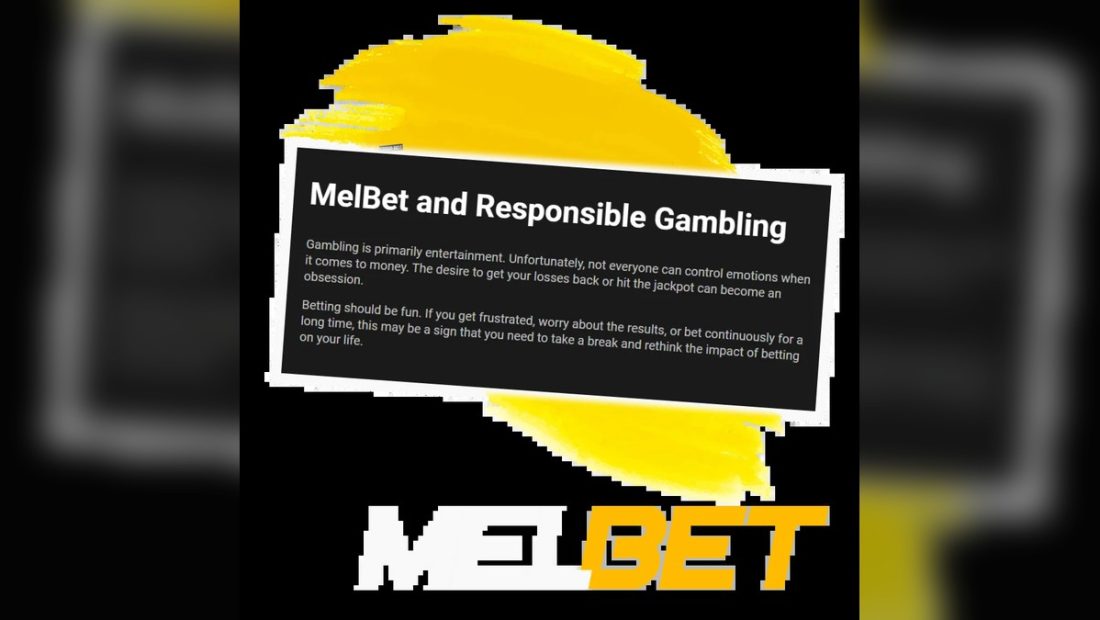
Responsible gaming matters because online access is quick, private and easy to repeat. Without limits, a short session can become a financial or emotional problem. The safest habits begin before any game, bonus or payment page is opened.
Budget limits
Set a budget that does not affect essentials such as rent, food, education, bills or family needs. Use only money you can afford to lose. When the budget is used, stop. Do not increase it because of a bonus prompt or a recent loss.
Time limits
Time matters as much as money. Decide how long a session will last and use an alarm if needed. Stop when the time ends. Long sessions can affect sleep, work, study and family responsibilities, even when the money spent seems small.
Emotional warning signs
Anger, anxiety, rushing and the need to recover losses are warning signs. Do not play while tired, upset or under pressure. Take a break before decisions become reactive. If you feel unable to stop, speak with someone trusted.
Do not borrow money
Borrowing money for gaming is a serious warning sign. Do not use loans, salary advances, family funds or bill money. Gaming should never become a financial plan or a way to solve money pressure.
Family, work and study balance
Stop if gaming affects family time, work, study, health or mood. Hiding activity, missing commitments or breaking planned limits means the activity is no longer controlled. Daily life comes first.
18+ and local law
This guidance is for adults aged 18+ only. Users must follow local laws in their state or region. No result is guaranteed, and responsible gaming means stopping before harm grows.
Private warning signs matter
Some warning signs are private before anyone else notices them. You may start checking results during work, hiding transaction messages, feeling restless during family time or planning how to recover a previous loss. These signs matter even if no serious harm has happened yet. The earlier you pause, the easier it is to regain control.
Make limits visible
Limits work better when they are visible. Write down the budget and time limit before starting, use an alarm and keep payment apps closed unless a planned transaction is truly needed. Avoid using gaming pages late at night when tired decisions are more likely. If you share finances with family, do not hide spending. Secrecy can turn a small problem into a larger one.
Create a pause routine
A pause routine can be simple: close the page, stand up, drink water, move away from the phone and do something unrelated for at least a few minutes. If you were upset, make the break longer. Do not reopen the page just to check one more result. Responsible gaming is built from these small stop points.
Ask for support before crisis point
You do not need to wait for a major financial problem before asking for help. If gaming is becoming secretive, stressful or hard to stop, speak with someone you trust and create distance from the activity. Remove saved payment methods where possible, avoid late-night sessions and keep guide pages open instead of game pages while you reset habits. Early support is easier than repair after serious harm.
Review your behaviour regularly
Responsible gaming is not a one-time promise. Review your behaviour weekly: Did you stay within budget? Did sessions end on time? Did gaming affect sleep, study, work or family? Did you feel pressure to hide activity or recover losses? Honest answers help you act early. If the answers show trouble, pause all gaming activity and focus on support, budgeting and healthier routines before returning to any guide or account page.
Keep gaming money separate
If an adult chooses to use gaming features, the money should be clearly separated from essentials. It should not mix with rent, bills, family needs, education, savings or borrowed funds. When that separation is not possible, the responsible choice is to stop. Clear separation prevents entertainment from turning into financial stress.
Pause early.